If you’re exploring modern financial markets, you’ve probably come across the term CFD. CFDs are widely used by active traders around the world, yet they’re often misunderstood — especially by beginners.
This guide explains what CFDs are, how they work, and why traders use them, in a clear and practical way.
What Does CFD Mean?
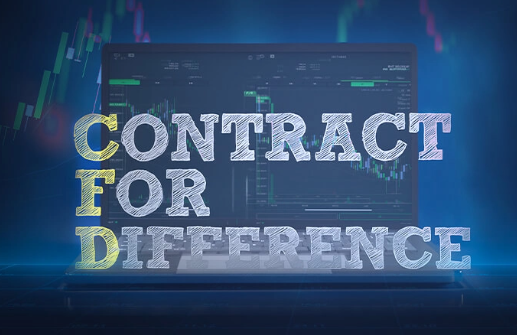
CFD stands for Contract for Difference. It’s a financial agreement between a trader and a broker where both parties exchange the difference in an asset’s price between the time the trade is opened and when it’s closed.
The key point:
👉 You don’t own the asset.
You trade only the price movement.
How CFD Trading Works
When trading CFDs, you can speculate on whether the price of an asset will rise or fall.
- Buy (Go Long) if you expect the price to increase
- Sell (Go Short) if you expect the price to decrease
Example:
- You buy a CFD on an index at 4,000
- You close the trade at 4,100
- The difference (100 points) is your profit
If the price moves against you, the difference becomes a loss.
What Can You Trade with CFDs?
CFDs provide access to a wide range of global markets, including:
- Stock indices (S&P 500, NASDAQ 100, DAX)
- Individual shares
- Forex (currency pairs)
- Commodities (gold, oil)
- Cryptocurrencies
This flexibility is one reason CFDs are popular among active traders.
Why Traders Use CFDs
CFDs offer several advantages compared to traditional investing:
1. Trade Both Market Directions
You can potentially profit in rising and falling markets.
2. Use of Leverage
CFDs allow you to control larger positions with smaller capital. While this increases opportunity, it also increases risk.
3. Access to Global Markets
Trade international assets from a single platform.
4. No Ownership Required
You avoid paperwork, custody, and long settlement times.
Understanding the Risks of CFD Trading
CFDs are complex instruments and carry a high risk due to leverage.
Key risks include:
- Amplified losses
- Market volatility
- Emotional decision-making
- Over-leveraging
This is why CFDs are generally better suited for traders who actively manage their positions and risk.
Is CFD Trading Right for Beginners?
CFDs are not inherently “bad” or “dangerous,” but they require education and discipline.
Beginners should:
- Start with a demo account
- Trade small position sizes
- Always use stop-loss orders
- Focus on learning before earning
CFD trading is a skill — not a shortcut to quick profits.
Final Thoughts
CFDs offer a flexible way to engage with financial markets, but they demand responsibility. Traders who focus on risk management, learning, and consistency are far more likely to survive and improve over time.
Before trading real money, make sure you understand how CFDs work — and how losses can occur.