Global trade is entering a new phase.
Over the past several years, governments around the world have introduced new tariffs, adjusted trade policies, and reconsidered how supply chains are structured. At the same time, businesses are diversifying production, investors are adapting to changing economic conditions, and financial markets are reacting to new developments almost daily.
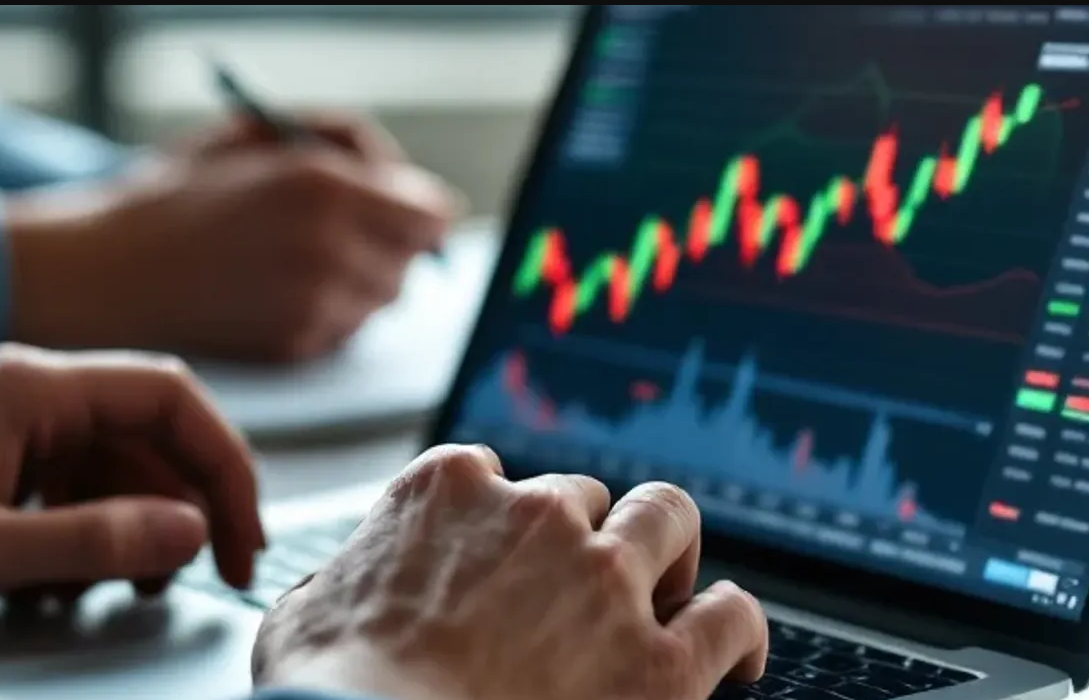
For online traders, these changes are creating a different market environment—one characterized by increased volatility, shifting opportunities, and a growing need to understand global economic trends.
Understanding the New Global Landscape
The term “new world order” is often used to describe the ongoing transformation of international trade, technology leadership, manufacturing networks, and economic influence.
Several key developments are driving this shift:
- Supply chains are becoming more diversified.
- Countries are seeking greater economic resilience.
- Trade relationships are evolving.
- New technologies are changing productivity and competitiveness.
- Tariffs and trade agreements continue to influence global commerce.
Recent discussions around trade relationships, including potential agreements between major economies, highlight how businesses are adjusting to a rapidly changing global environment. Companies are increasingly monitoring tariffs, logistics costs, and market access when making strategic decisions.
Why Tariffs Matter to Financial Markets
Tariffs affect the cost of importing and exporting goods.
When tariffs increase, businesses may face higher costs, which can influence:
- Corporate earnings
- Manufacturing activity
- Consumer prices
- Currency movements
- Investor sentiment
Because financial markets constantly react to new information, announcements related to tariffs often generate significant market activity.
This can impact multiple asset classes, including:
- Stock indices
- Commodities
- Foreign exchange markets
- Government bonds
- Exchange-traded products
As a result, traders frequently monitor economic news, policy updates, and international trade developments.
The Connection Between Global Events and CFD Trading
Contracts for Difference (CFDs) allow traders to speculate on price movements across various financial instruments without owning the underlying asset.
CFD markets often reflect the impact of:
- Economic reports
- Central bank decisions
- Trade negotiations
- Tariff announcements
- Corporate earnings releases
- Geopolitical developments
When markets experience larger price swings, traders may see increased activity across multiple sectors.
For example:
- Commodity prices can react to changes in global demand.
- Currency pairs may respond to trade-related news.
- Stock indices can move following major policy announcements.
- Technology and manufacturing sectors may react to supply chain developments.
Industries Receiving Increased Attention
As global trade patterns evolve, certain sectors continue to attract investor interest.
Technology
Artificial intelligence, semiconductors, cloud computing, and automation remain areas of focus as countries compete to strengthen technological capabilities.
Energy
Changes in global production and transportation networks can influence energy demand and pricing.
Manufacturing
Companies involved in logistics, industrial equipment, and supply chain infrastructure often attract attention during periods of economic restructuring.
Commodities
Agricultural products, metals, and raw materials can experience price fluctuations as trade relationships evolve.
Why Education Is Becoming More Important
The modern trading environment is increasingly influenced by global events.
Many traders are therefore spending more time learning about:
- Macroeconomics
- Risk management
- Market psychology
- Technical analysis
- Economic indicators
- International trade dynamics
Understanding how tariffs, supply chains, and economic policy affect markets can help traders better interpret market movements and develop informed strategies.
Looking Ahead
The global economy continues to evolve.
Whether through new trade agreements, changing tariffs, technological innovation, or shifting supply chains, businesses and financial markets are adapting to a different economic reality.
For online traders, this environment may offer new areas to study and monitor. As always, understanding the broader forces driving market activity can be just as important as analyzing individual assets.
The coming years are likely to bring continued change across global markets, making economic awareness and ongoing education valuable tools for anyone interested in following financial markets.
Risk Disclosure
Trading CFDs and other leveraged financial products involves significant risk and may not be suitable for all investors. Prices can move rapidly, and losses may exceed initial deposits in certain circumstances. Past performance does not guarantee future results. This article is provided for educational and informational purposes only and should not be considered financial, investment, legal, or tax advice. Always conduct your own research and consider seeking independent professional advice before making financial decisions.