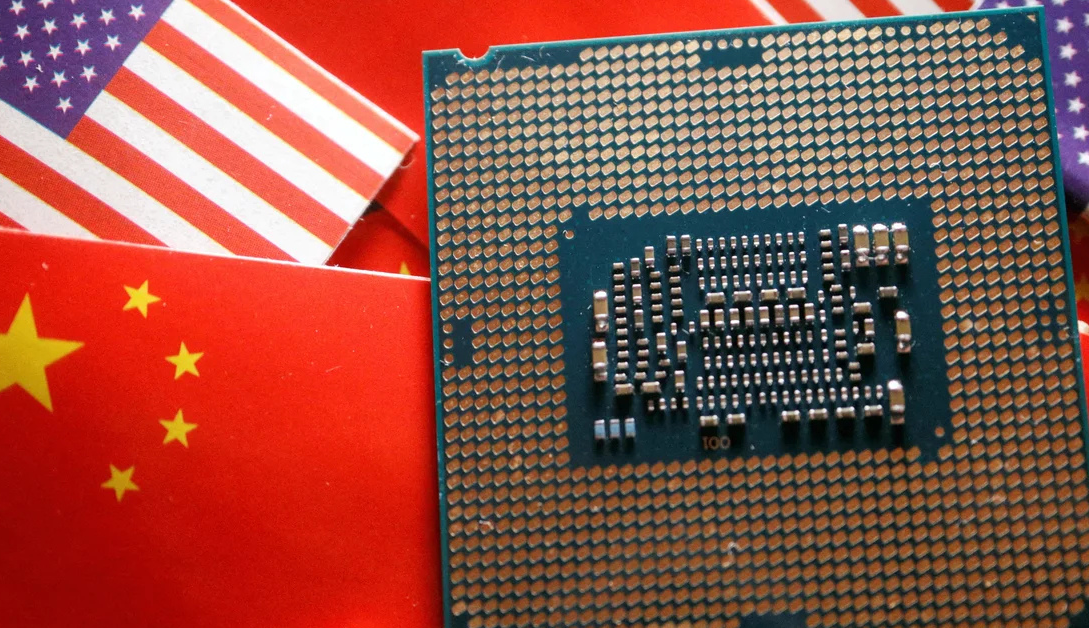
Semiconductors have become one of the most important components of the modern economy. Often referred to as the “building blocks” of digital technology, chips are found in smartphones, computers, vehicles, industrial equipment, medical devices, and countless other products.
As demand for advanced technologies continues to grow, the semiconductor industry has gained increased attention from governments, corporations, and investors alike. The evolving competition among major economies to strengthen chip production capabilities has become a significant factor influencing global markets.
Why Semiconductors Matter
Modern economies depend heavily on reliable access to semiconductor technology. Advanced chips support innovations in:
- Artificial intelligence applications
- Cloud computing infrastructure
- Data centers
- Electric vehicles
- Telecommunications networks
- Industrial automation
As digital transformation continues across industries, demand for semiconductor products remains an important economic trend to monitor.
Supply Chains Under the Spotlight
Over the past several years, businesses worldwide have become more aware of the complexity of semiconductor supply chains.
Chip manufacturing often involves multiple countries, with different regions specializing in design, fabrication, packaging, testing, and equipment production. Because of this interconnected structure, developments affecting one part of the supply chain can influence production schedules across multiple industries.
Companies in sectors ranging from automotive manufacturing to consumer electronics frequently monitor semiconductor availability as part of their operational planning.
Market Impact Across Multiple Sectors
The semiconductor industry does not operate in isolation. Market participants often watch chip-related developments because they can affect a broad range of sectors.
Some industries commonly linked to semiconductor trends include:
Technology
Software, hardware, cloud computing, and AI-related companies often depend on continued advances in semiconductor performance.
Automotive
Modern vehicles contain numerous semiconductor components that support safety systems, navigation, connectivity, and power management.
Manufacturing
Industrial automation and smart manufacturing technologies increasingly rely on advanced processing capabilities.
Telecommunications
The expansion of digital networks and connected devices continues to increase demand for specialized chips.
Innovation and Investment
Many organizations continue investing heavily in semiconductor research, development, and production capacity.
These investments may include:
- New fabrication facilities
- Advanced manufacturing equipment
- Research partnerships
- Workforce development programs
- Supply chain diversification initiatives
Such efforts can influence business activity across a wide range of industries, creating both opportunities and challenges for companies operating in technology-driven sectors.
What Market Observers Are Watching
Financial markets often monitor several factors related to the semiconductor industry:
- Global demand for computing power
- Artificial intelligence adoption
- Supply chain resilience
- Manufacturing capacity expansion
- Corporate earnings within technology sectors
- Long-term innovation trends
Because semiconductors support so many areas of economic activity, developments within the industry can provide useful context when evaluating broader market trends.
Looking Ahead
The global semiconductor landscape continues to evolve as technology advances and demand for computing power grows. While future outcomes remain uncertain, the importance of chips in supporting modern industries suggests that the sector will likely remain a key area of focus for businesses, policymakers, and market participants.
Understanding the role of semiconductors can help readers better appreciate how technological innovation, supply chains, and economic activity are increasingly interconnected in today’s digital economy.
Important Notice
This article is provided for informational and educational purposes only. It does not constitute investment, financial, legal, or trading advice. All investments involve risk, and individuals should conduct independent research and consult qualified professionals before making financial decisions.